
Been told your upper jaw does not have enough bone for an implant? There is a solution. An upper jaw too thin for an implant is a common problem, and a sinus lift fixes it by adding bone height. A sinus lift is a procedure that adds bone between the upper jaw and the sinus above it. It creates the solid foundation an implant needs to succeed. It sounds complex, but it is a routine, well-proven procedure, and many people are surprised how manageable it is. Knowing how it works makes the idea much less intimidating.
Key Takeaways
- The upper back jaw often lacks enough bone height for a dental implant.
- Tooth loss and natural bone loss let the sinus expand downward over time.
- A sinus lift adds bone between the jaw and the sinus to create height.
- The added bone graft fuses with the jaw over several months before an implant.
- A sinus lift makes implants possible where the jaw was once too thin.
Why Is the Upper Jaw Often Too Thin?
The upper back jaw is a tricky spot for implants. According to the American Association of Oral and Maxillofacial Surgeons, losing teeth deep in the upper jaw causes natural bone loss and thinning, which can let the maxillary sinuses expand downward and leave too little bone for an implant. The sinus is an air-filled space just above the upper teeth. When bone is lost below it, there may not be enough height to anchor an implant. A sinus lift restores that missing height. Bone in this area tends to disappear faster than in other parts of the jaw, and this is a common reason upper implants need extra prep. The closer the sinus drops, the less room there is for an implant, so a sinus lift reverses that problem by rebuilding the bone.
What Is a Sinus Lift?
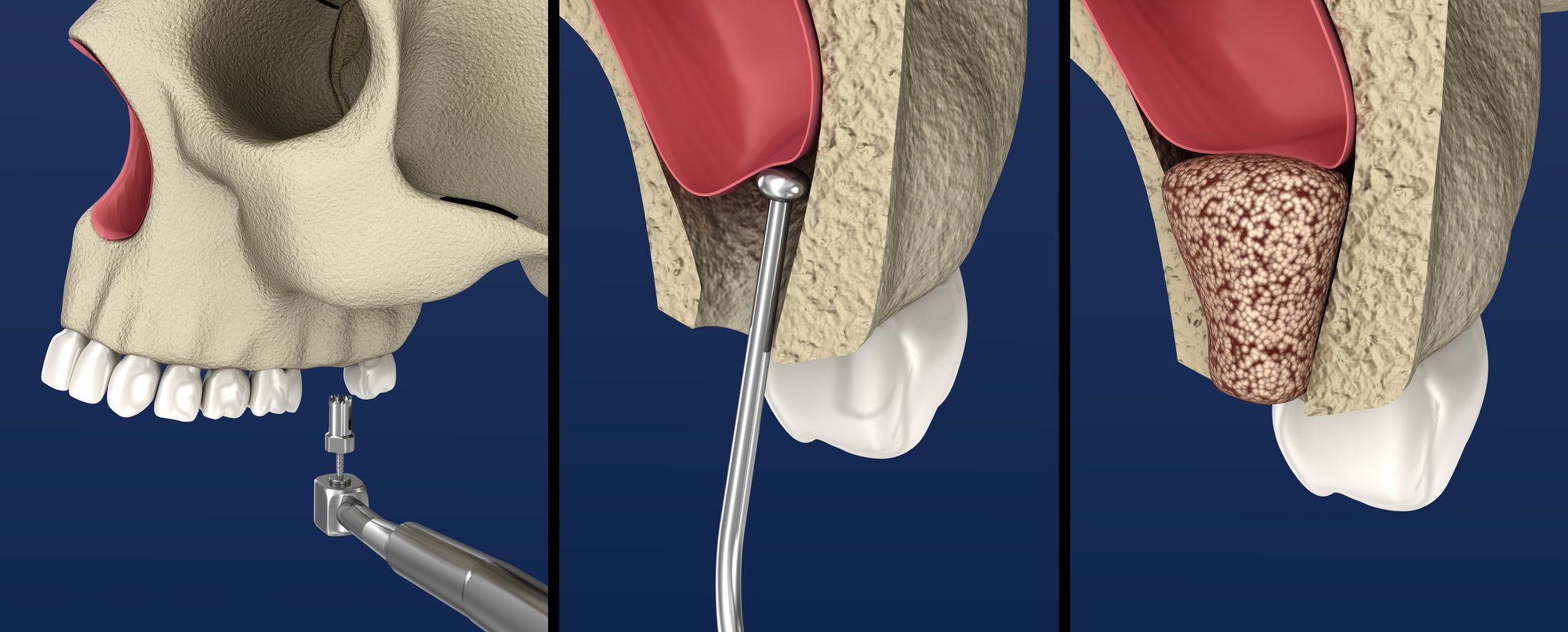
It is a bone-building step before an implant. In a common sinus lift procedure, the surgeon gently raises the sinus membrane and places bone graft material in the space below it. The graft can come from you, a donor, or a synthetic source. Over the next several months, it fuses with your existing jawbone to form a strong base. Once healed, the area can support a dental implant. The graft acts as a scaffold that your body gradually turns into its own bone, and the amount added depends on how much height is missing. This creates a base strong enough to hold an implant for years, and it is performed under local anesthesia in the office.
When Do You Need One?
A scan makes the call. If imaging shows not enough bone for dental implants in the upper back jaw, a sinus lift is usually recommended. This is common after long-term tooth loss, gum disease, or natural thinning of the bone. Sometimes a small lift and the implant happen at the same visit; other times, the graft heals first. The scan shows which approach fits your jaw. Not everyone needs one, so the scan is what makes the decision clear, and timing depends on your bone and your overall treatment plan. If enough bone is present, the implant can go in without a lift; when bone is short, the lift comes first.
What Is Recovery Like?
Recovery is usually smoother than people expect. Mild swelling and congestion are common for a few days and then fade. Most people manage discomfort with over-the-counter pain relievers and return to normal activities quickly. You will be asked to avoid blowing your nose forcefully while the area heals. The longer wait is simply the bone fusing, which happens on its own beneath the surface. Most people describe it as milder than a tooth extraction, and swelling and congestion are the most common effects. Following the aftercare steps closely keeps healing on track, and the wait is worth a foundation that lasts.
Frequently Asked Questions
Is a sinus lift painful?
The procedure is done with numbing, so it is comfortable. Mild swelling or congestion afterward is normal and usually eases within a few days.
How long before I can get my implant?
The bone graft typically needs several months to fuse with your jaw before an implant is placed. A scan confirms when the area is ready.
Does everyone getting an upper implant need a sinus lift?
No. It is only needed when the upper jaw lacks enough bone height, which a 3D scan determines.
Building Height Where It’s Needed
An upper jaw too thin for an implant does not have to end your options. A sinus lift adds bone height in the upper back jaw, creating the solid foundation an implant requires. The graft heals over a few months, and then the implant can be placed on stable bone. For many people, a sinus lift is the step that makes a lasting implant possible, so a thin upper jaw is rarely the end of the conversation.
If you want to learn more about treating an upper jaw too thin for an implant, visit our Sinus Lift in Long Beach, CA, page or schedule a consultation.