
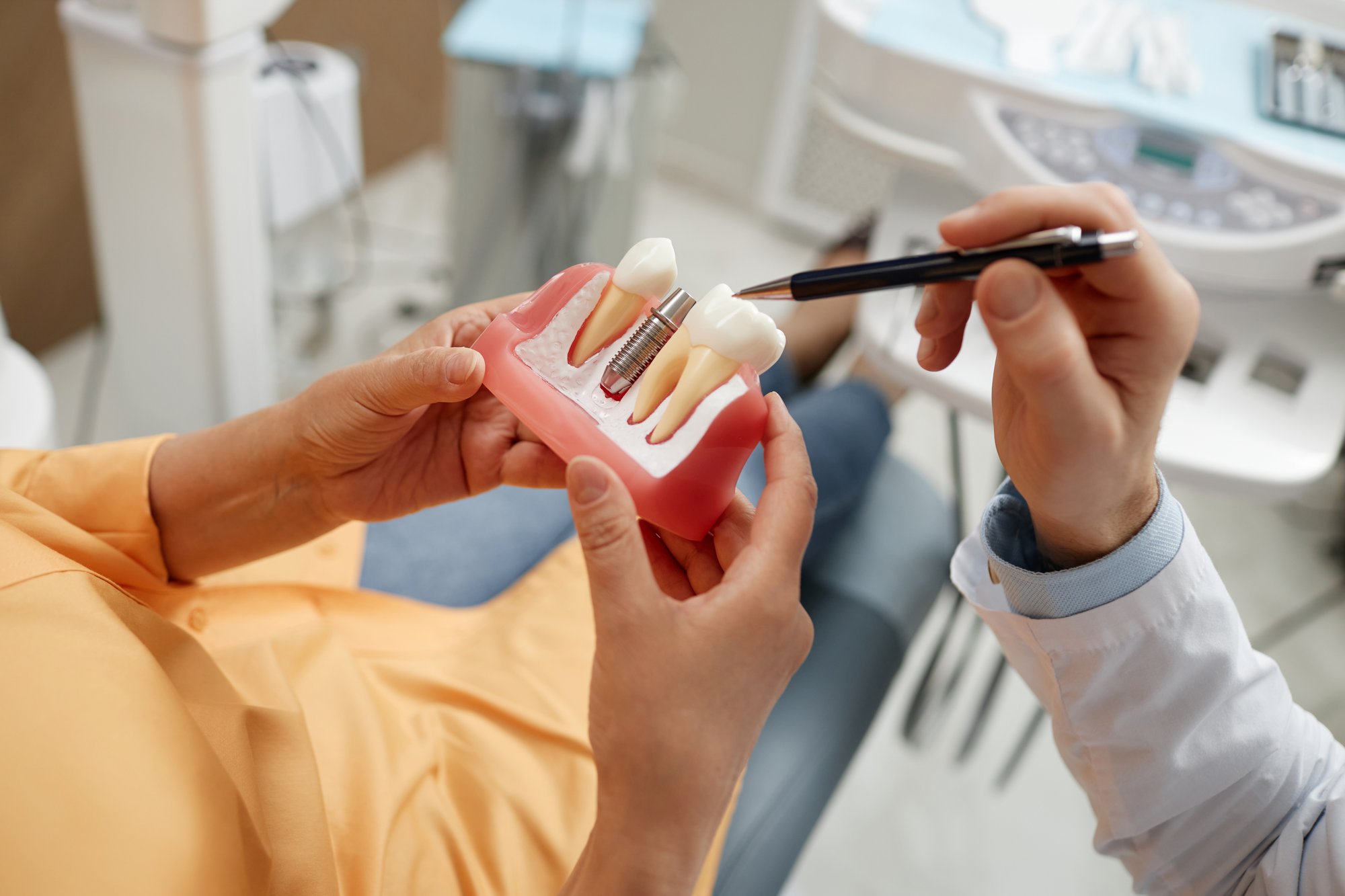
Wondering why a modern implant starts with a detailed scan instead of a quick X-ray? Precision is the reason. Planning every implant from a full mouth 3D scan gives a clear, three-dimensional view of the jaw before any surgery begins. Dental implants are titanium posts placed in the jaw to replace missing tooth roots, topped with lifelike crowns. A 3D scan makes that placement safer, faster, and more predictable. The scan takes only seconds, yet it shapes the entire treatment, and it is worth the extra step. Starting with a complete picture is what sets a smooth implant apart.
Key Takeaways
- A full-mouth 3D scan gives a complete, three-dimensional view of the jaw and teeth.
- It reveals bone height, density, nerves, and sinuses that flat X-rays cannot show.
- Planning from a 3D scan makes implant placement safer and more precise.
- The scan allows a custom surgical guide for accurate, efficient surgery.
- Better planning means fewer surprises, shorter surgery, and stronger long-term results.
What Is a Full-Mouth 3D Scan?
It is a detailed, three-dimensional image of your mouth. Often called a cone-beam CT, or CBCT, the scan captures your jawbone, teeth, nerves, and sinuses from every angle in seconds. Unlike a flat X-ray, it shows depth, width, and density, giving a true picture of the bone available for an implant. This lets the dentist see exactly what they are working with before surgery. It is the foundation of modern dental implant planning. The image can be rotated and measured on a screen, down to the millimeter, and modern scanners use low radiation for the detail they provide. This detail lets the dentist study the site long before the day of surgery, and it also makes it easy to explain the plan to you clearly.
Why Not Just Use a Regular X-Ray?
A standard X-ray only tells part of the story. It shows teeth and bone in two dimensions, which can hide how thick the bone is or where a nerve runs. Placing an implant on that limited view leaves more room for error. A 3D scan removes the guesswork by revealing the full anatomy. According to the Cleveland Clinic, before implant surgery a provider evaluates your jaw with imaging to confirm you have enough healthy bone to support the implant. That is why detailed imaging has become the standard for implant care. A 3D scan also measures bone density, which affects how well an implant will anchor, and flat images simply cannot capture depth. Seeing the bone in full detail helps avoid surprises during surgery, and the extra information simply leads to better decisions.
How Does the Scan Improve Safety?
Safety comes from seeing everything in advance. The scan shows the exact location of nerves, sinuses, and neighboring roots, so the implant can be placed a safe distance from them. This lowers the risk of nerve injury or sinus problems. It also confirms whether a bone graft or sinus lift is needed first. Knowing all of this beforehand protects you and improves the outcome. It also helps the dentist choose the right implant size and position from the start, which is especially important near the lower jaw nerve. Fewer unknowns mean a calmer, more controlled procedure, so safety and accuracy go hand in hand here.
What Is a Surgical Guide?
The scan does more than diagnose; it drives the plan. Using the 3D images, the dentist maps the ideal position, angle, and depth for each implant on a computer. That plan becomes a custom surgical guide, a template that fits over your teeth and directs the placement. This is the heart of guided implant surgery, which improves accuracy and shortens time in the chair. The result is an implant placed exactly where it was planned. Because the guide directs the drill, there is less need for a large incision, which often means less swelling and a quicker recovery. Everything is confirmed before the first cut, bringing the digital plan into the real world with precision.
How Does Planning Help the Final Result?
Careful planning pays off for years. When an implant is placed in the ideal position, it distributes bite force well and supports a natural-looking crown. Precise placement also keeps the implant easy to clean and maintain. Fewer surprises during surgery mean less trauma and smoother healing. Good planning is what turns an implant into a lasting, comfortable replacement. A well-placed implant also protects the neighboring teeth and the bite, and over the years that precision pays off in comfort and durability. Planning is the behind-the-scenes work that makes the visible result look effortless.
Precision You Can Rely On
Planning every implant from a full mouth 3D scan is about precision, safety, and lasting results. The scan reveals the bone, nerves, and sinuses that guide a confident, accurate placement. With a custom surgical guide, dental implants can be placed exactly where they belong, the first time. That level of planning is what gives an implant its best chance to last for decades. A detailed scan is simply the smartest way to start, and the result is an implant you can trust.
If you want to learn more about implant planning from a full mouth 3D scan, visit our Dental Implants in Long Beach, CA, page or schedule a consultation.